Enhancing Ecosystem Health: The Eco-Friendly Advantages of Concrete Edging Jun 16, 2026
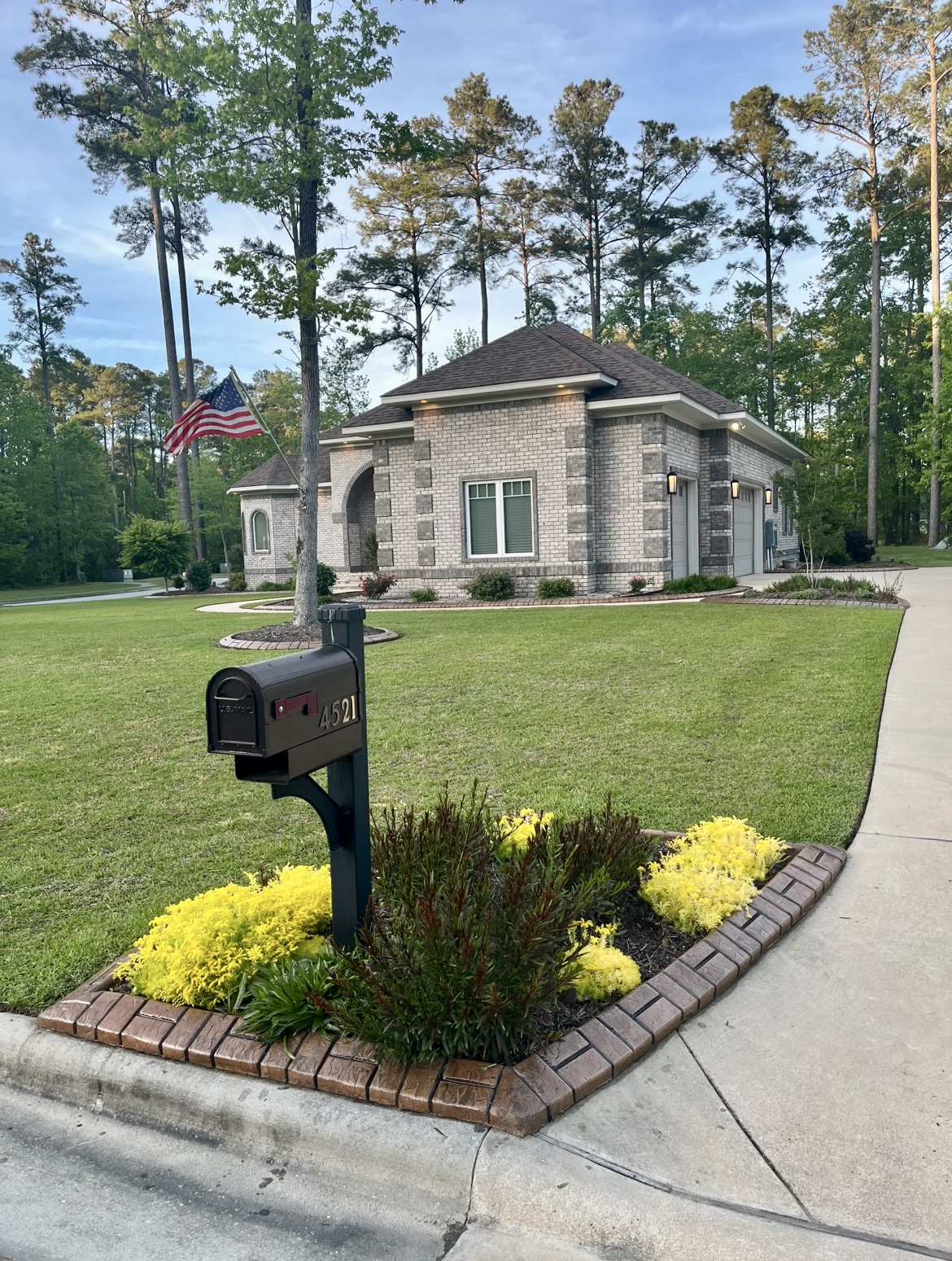
Concrete edging serves as a durable boundary for garden beds, pathways, and lawns. Its sustainability aspect begins with its longevity. Unlike wooden edging, which may rot and need replacement, or plastic alternatives that degrade over time, concrete edging offers exceptional durability. This durability minimizes the need for frequent replacements, reducing the demand for raw materials and the energy required for manufacturing and transportation. In this regard, choosing concrete edging can lead to significant reductions in your landscaping's overall environmental footprint.
Concrete is composed primarily of limestone, one of the most abundant materials on earth. When comparing its production process to that of metal or plastic alternatives, concrete’s manufacturing has a lesser environmental impact. Furthermore, concrete edging can be produced using locally sourced materials, diminishing the carbon footprint associated with the long-distance transportation of materials. By selecting concrete edging from a local provider like Professional Edge, you contribute to supporting local businesses while minimizing the transportation emissions associated with importing goods.
One of the significant environmental advantages of concrete edging is its role in water conservation. In many regions, excessive stormwater runoff contributes to erosion and pollution in local waterways. Concrete edging helps to manage water flow by directing runoff into desired areas, such as rain gardens or water features, which can retain water for landscape irrigation purposes. This proactive water management reduces the strain on stormwater systems and prevents soil erosion, preserving your garden's integrity.
A well-designed concrete edging system also promotes biodiversity by creating distinct habitat zones. For instance, clear edging defines planting areas, allowing for the integration of native plants beneficial to local wildlife. These plants require less water and fertilizer, reducing chemical runoff into waterways. Concrete edging thus supports these sustainable planting practices by providing a long-lasting border that maintains the separation of habitat zones, enhancing the ecological balance of your garden.
Recycling options for concrete materials have also improved significantly over the years. At the end of their lifecycle, concrete products can be crushed and reused as aggregate in other construction projects. This practice reduces the volume of waste directed to landfills and lessens the demand for virgin materials, aligning with sustainable construction practices. At Professional Edge, we encourage clients to consider recycling options as part of their sustainable landscaping strategies.
When planned and executed thoughtfully, incorporating concrete edging into your landscaping can significantly enhance your ecosystem's health. Its durability, water management properties, and promotion of biodiversity make it an appealing choice for the environmentally conscious homeowner. With Professional Edge at your side, you can take steps towards a landscape that is not only beautiful but supports a sustainable ecosystem as well. Embrace the eco-friendly advantages of concrete edging and join us in crafting landscapes that contribute positively to our environment.