The Environmental Benefits of Sustainable Concrete Edging Solutions Feb 07, 2026
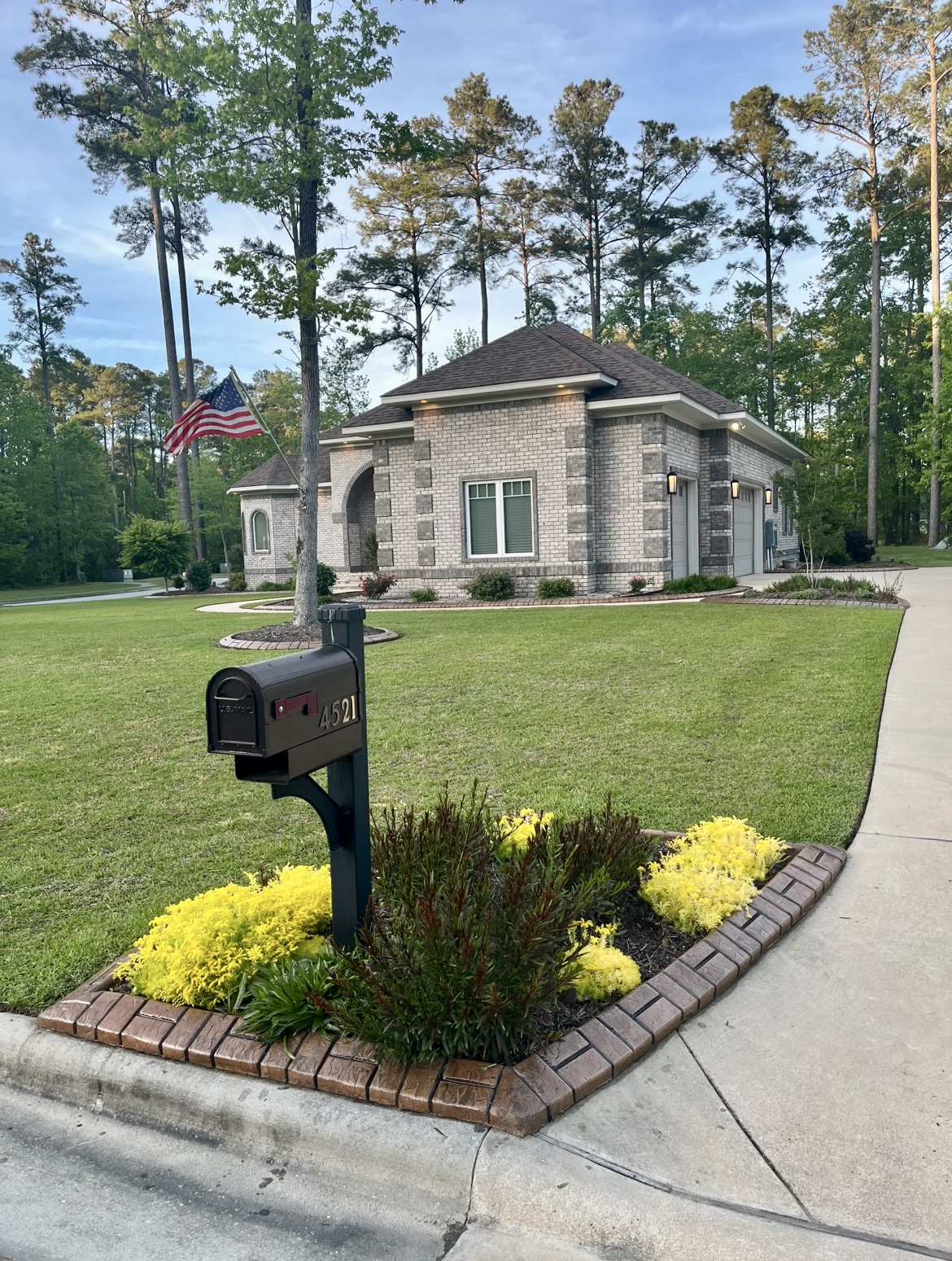
When considering sustainable landscaping options, many think of planting more greenery or using recycled materials. Concrete edging might not come immediately to mind, but it holds several ecological benefits. First and foremost, sustainable concrete edging drastically reduces the need for frequent lawn maintenance, which often involves fuel-powered equipment that releases emissions harmful to the environment. By creating well-defined borders, concrete edging helps contain grasses and mulch, reducing the spread and subsequent need for constant trimming.
Moreover, the longevity of concrete edging provides another environmental merit. Concrete is a durable material that withstands the test of time, reducing the need for frequent replacement and thus cutting down on the consumption of raw materials. Traditional edging materials like wood often require replacement every few years due to weathering and rot, increasing resource consumption. In contrast, the long-lasting nature of concrete edging translates into less waste and a smaller carbon footprint.
An additional advantage of sustainable concrete edging is its potential for water conservation. By effectively delineating garden beds and pathways, it can help in channeling water directly to the plants and away from paved areas where it would otherwise evaporate or run off. This efficient water management is vital, especially in regions prone to droughts or water shortages, and ensures that every drop goes where it is most needed, fostering healthier plant growth and conserving precious water resources.
Professional Edge takes sustainability a step further by utilizing eco-friendly materials in their concrete mixes. By incorporating recycled aggregates and fly ash, a byproduct of coal combustion that would otherwise end up in landfills, they enhance the durability and environmental performance of their concrete edging. These materials not only help in reducing waste but also improve the mechanical properties of concrete, making it an even more attractive option for environmentally-conscious consumers.
The aesthetic considerations of concrete edging should not be overlooked, either. By enhancing the visual appeal of outdoor spaces, homeowners are encouraged to spend more time outside, fostering a deeper connection with nature. This has the ripple effect of promoting outdoor activities that are inherently sustainable, such as gardening or setting up home composting systems. A beautifully edged garden or pathway can serve as a serene retreat, inviting more eco-friendly leisure activities.
Lastly, investing in sustainable concrete edging solutions from Professional Edge is not just about making a responsible environmental choice. It is also about making a sound financial decision. The reduced need for frequent maintenance, coupled with the longevity of the product, means that homeowners can enjoy significant savings over time. With the continuous rise in environmental awareness, making eco-friendly upgrades to your property can also increase its market value, as more prospective buyers seek homes with sustainable features.
In conclusion, the move towards sustainable concrete edging offers a myriad of benefits. From reducing lawn maintenance emissions and conserving water to decreasing raw material consumption and waste, the advantages are clear. By choosing Professional Edge, you are not only enhancing your property's aesthetic appeal but also actively contributing to a more sustainable and environmentally-friendly future. So, let's embrace these sustainable solutions and lead by example for generations to come.